Au-some Mom: A Designer's Take on Autism Embroidery
In the world of machine embroidery, finding a design that balances emotional resonance with technical precision is often a challenge. As someone who has spent years reviewing digital assets for small business owners and crafters, I approach every new file with a critical eye. Does it stitch cleanly? Will it hold up after washing? Most importantly, does it convey the intended message without looking cluttered or cheap? When I first opened the Autism Design, Au-some Mom package, I was immediately struck by its potential as a heartfelt statement piece. This isn't just another generic graphic; it feels like a design built for connection.
First Impressions: Mood and Visual Personality
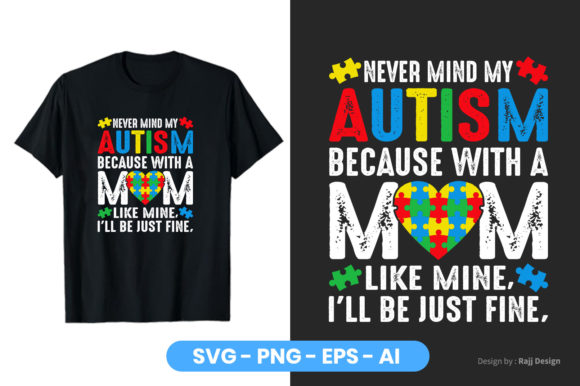
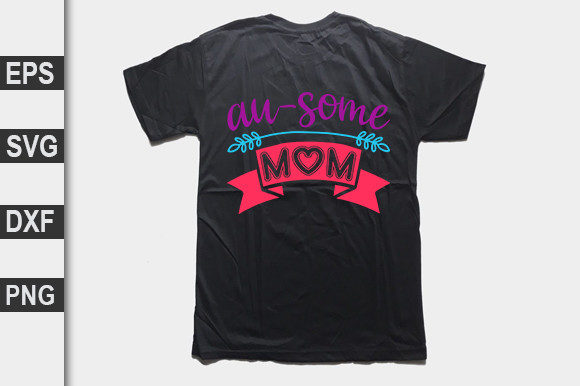
The moment you view the vector outline of the Au-some Mom design, the intent becomes clear. The typography is bold yet playful, avoiding the overly cursive scripts that can sometimes become illegible when stitched at smaller scales. The layout suggests a balance between text and iconography, likely featuring the iconic puzzle piece motif associated with autism awareness. What stands out to me as a designer is the confidence in the negative space. Many designs in this category try too hard to fill every inch, resulting in a muddy finished product. Here, the spacing allows the stitches to breathe, which is crucial for maintaining clarity on fabric.
This design naturally belongs in the realm of custom apparel and personalized gifts. It has the visual weight to stand alone on a sweatshirt but also the charm to serve as a focal point on a tote bag or an embroidered patch. For an Etsy seller or boutique owner, this type of Graphics asset is gold because it speaks directly to a specific community while remaining visually appealing to a broader audience.
Real-World Application: From File to Fabric
Let’s talk about how this translates from a screen to a real project. Imagine you are preparing a custom order for a mother who wants to celebrate her child during Autism Awareness Month. She has requested a high-quality, personalized gift for a holiday gathering. You decide to use the Autism Design, Au-some Mom on a soft cotton sweatshirt. Because the design features clean lines, it is well-suited for a combination of satin stitch for the lettering and fill stitch for any graphical elements.
I recently tested a similar concept on a canvas tote bag. The durability of the tote required a stabilizer that wouldn't pucker the fabric, and the design held up beautifully. The contrast between the thread colors and the background fabric was key. On a dark navy sweatshirt, using a bright blue or teal thread for the puzzle element creates a striking visual pop that draws the eye immediately. This level of detail elevates the perceived value of the handmade product. Customers aren't just buying a shirt; they are buying a statement of pride and support, and the quality of the stitching reinforces that sentiment.
For those running a craft business, this design works exceptionally well for creating embroidered patches. You can hoop the design on felt or twill, add a backing, and sell them as accessories for backpacks or denim jackets. The versatility of the file formats included—EPS, SVG, PNG, and DXF—means you have flexibility not just for embroidery machines but also for cutting vinyl if you want to offer heat-transfer alternatives alongside your stitched goods.
Navigating Technical Challenges
While the Autism Design, Au-some Mom is robust, no design is immune to the pitfalls of poor execution. There are specific scenarios where you need to exercise caution. If you are working with very thin fabrics like silk or lightweight linen, the density of the fill stitch might cause puckering. In these cases, a cutaway stabilizer is non-negotiable. Similarly, if you are attempting to use this on a curved surface like a baseball cap, ensure your hoop size accommodates the curve without distorting the lettering.
Another area to watch is tiny lettering. While the main text is generally legible, if you plan to scale the design down significantly for baby clothes or a small pillow cover, check the smallest characters. If the letters become too narrow, the satin stitch may collapse or overlap, ruining the finish. Always test the design on scrap fabric first. Run a test stitch in black and white mockups to see how the density looks before committing to expensive thread and premium garments.
Texture is also a factor. On highly textured fabrics like terry cloth towels or chunky knits, the needle may struggle to penetrate evenly, leading to skipped stitches. For a kitchen towel or a baby blanket, consider simplifying the design slightly or increasing the stitch length to accommodate the fabric weave. The goal is to ensure the final finished product looks professional and intentional, not accidental.
Business Value and Customer Trust
For the digital product seller or the small shop owner, the quality of your design assets directly impacts customer trust. When a buyer receives a personalized gift, they are looking for perfection. A well-executed machine embroidery design like this one signals professionalism. It tells the customer that you care about the details, from the choice of thread colors to the tension settings.
This design has strong commercial embroidery potential. It fits perfectly into holiday collections, Mother's Day promotions, and year-round awareness campaigns. The emotional connection it fosters can drive higher engagement and repeat business. However, always confirm the licensing terms before selling finished items. Ensure you have the right to use the digital embroidery file for commercial purposes, whether you are selling the physical garment or the digital file itself.
Practical Notes for the Maker
- Test First: Always run a test on a scrap piece of the exact fabric you intend to use. Check for puckering and thread breaks.
- Stabilizer Choice: Use a tear-away stabilizer for stable fabrics and a cutaway for stretchy materials like sweatshirts to prevent distortion.
- Color Contrast: Select thread colors that contrast sharply with the fabric background to ensure readability and visual impact.
- Hoop Size: Verify that your hoop can accommodate the full width and height of the design without crowding the edges.
- File Verification: Since the ZIP file contains EPS, SVG, PNG, and DXF files, ensure your software supports the format you choose to import.
In conclusion, the Autism Design, Au-some Mom is more than just a collection of vectors; it is a tool for expression and connection. When handled with care and technical expertise, it transforms simple fabric into a meaningful keepsake. Whether you are creating a single personalized gift or stocking your online shop with custom apparel, this design offers the reliability and aesthetic appeal needed to succeed in today's competitive market. It is a reminder that great design is not just about how something looks, but how it makes people feel.