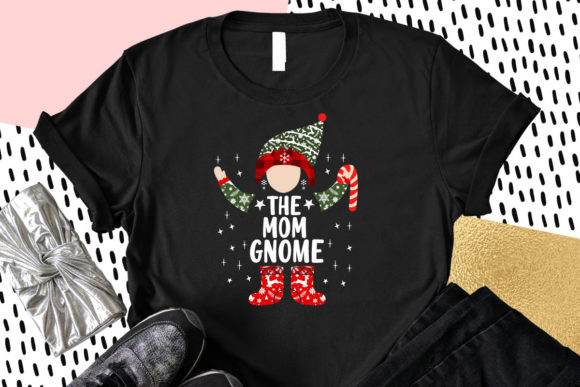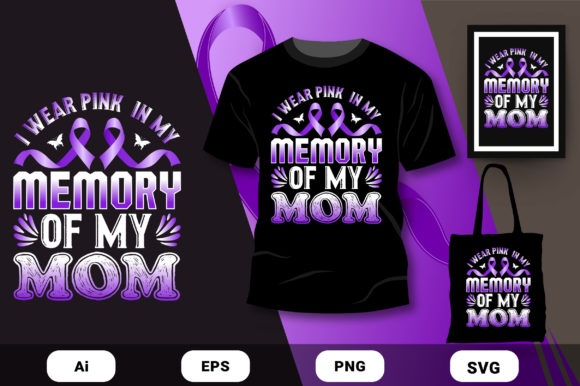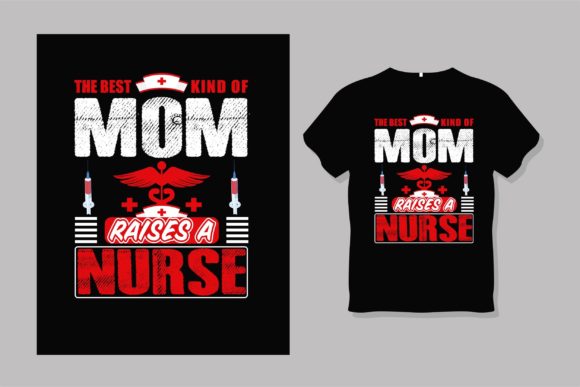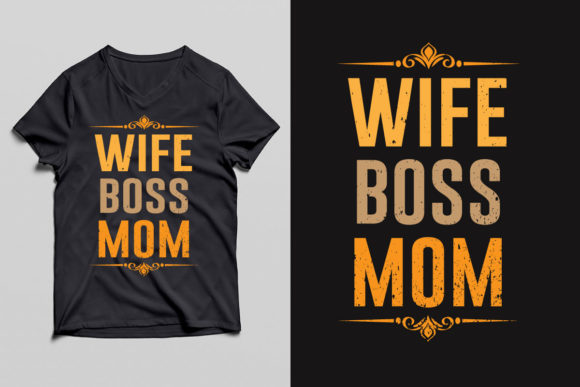
Review: Mom T-shirt Design 18 for Embroidery
As a designer who has spent years turning digital graphics into tangible, stitched products, I approach every new asset with a critical eye. The gap between a clean vector on a screen and a successful machine embroidery design can be wide. Recently, I evaluated Mom T-shirt Design 18, a graphic listed under Print Templates and Graphics. While the product description explicitly states these designs are made for screen printing and come in AI, EPS, SVG, and PNG formats, my goal was to determine if this specific asset could be successfully adapted for real-world embroidery projects.
First Impressions: Visual Weight and Adaptability
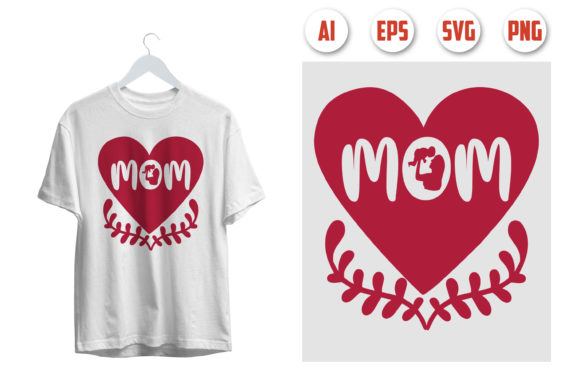
When I first opened the files for Mom T-shirt Design 18, the immediate takeaway was its structural integrity. The shapes are bold and distinct, which is promising for translation into thread. Unlike some intricate illustrations that rely on fine lines, this design uses solid blocks of color and clear outlines. This characteristic is crucial when considering how it will perform as an embroidery file. In embroidery, we often struggle with "fill stitch" areas that are too small or complex, leading to puckering or thread bunching. Here, the layout suggests that converting the solid areas into dense fill stitches would yield a clean, professional look without overwhelming the fabric.
The mood of the design is warm and celebratory, fitting perfectly for Mother's Day collections or personalized gifts. However, because it is marketed primarily as a print template, I had to mentally map out how the stitch density would need to be adjusted. A flat vector image does not account for the physical volume of thread. For a project like a custom sweatshirt, the boldness of Mom T-shirt Design 18 works well, but for delicate items, the visual weight might need scaling down to maintain balance.
Real-World Application: From Screen to Stitch
To truly test the potential of this asset, I imagined a specific scenario: preparing a line of embroidered tote bags for a local craft fair. Tote bags are a staple for any craft business or Etsy seller, offering a large canvas that can handle heavier stitching. If I were to use Mom T-shirt Design 18 here, the design's scalability becomes a major advantage. Since the source files are vector-based (AI, EPS, SVG), resizing the design to fit the center of a canvas tote bag would result in no loss of quality, ensuring the edges remain crisp before digitization.
In this context, the design shines as a statement piece. Imagine a sturdy cotton tote where the design is rendered using a combination of satin stitch for the lettering and running stitch for decorative accents. The bold nature of the original graphic ensures that even from a distance, the message is clear. This level of visibility is essential for custom apparel meant to be worn in public or used as promotional items for a small shop product line. Customers looking for a personalized gift often want something that stands out, and the strong visual personality of this design delivers exactly that.
However, the application changes when moving to smaller or more textured items. Consider a baby onesie or a nursery pillow cover. These items require softer, lighter stitching to avoid discomfort against sensitive skin. Using Mom T-shirt Design 18 on a baby item would require careful downsizing and potentially simplifying the internal details. The thick lines that work well on a heavy sweatshirt might look too heavy on a lightweight knit. As a reviewer, I would advise checking the hoop size requirements carefully. If the design is too large for a standard 4x4 hoop, you risk distorting the fabric, especially on stretchy materials common in baby clothing.
Navigating Challenges: Fabric and Detail
Every designer knows that the success of an embroidery project depends heavily on the substrate. Mom T-shirt Design 18 presents certain challenges when applied to dark fabrics or textured surfaces. On a black sweatshirt, the contrast provided by light-colored threads would make the design pop, but you must ensure the backing stabilizer is robust enough to prevent the fabric from sinking into the stitch area. Without proper support, the design can lose its definition, making the "Mom" text difficult to read.
Textured fabrics, such as fleece or thick denim, add another layer of complexity. The uneven surface can cause the needle to skip or the thread to sit unevenly. When adapting this digital embroidery file for such materials, I recommend testing the design on scrap fabric first. This step is non-negotiable. You need to see how the thread colors interact with the texture and whether the fill stitch covers the underlying pattern effectively. If the design includes tiny lettering or intricate corners, these areas are prone to getting lost in the weave of a textured fabric. In those cases, simplifying the vector paths before digitizing is a smart move to ensure clarity in the finished product.
Curved surfaces, like caps or hats, also demand caution. The rigid structure of a cap makes it difficult to embroider large, flat designs without distortion. If you choose to use Mom T-shirt Design 18 on a hat, focus on the central elements and perhaps omit peripheral details that might warp during the stitching process. The design's versatility allows for this selective adaptation, but it requires a skilled hand to execute properly.
Practical Notes for the Professional Maker
For those of you running a commercial embroidery operation or selling handmade goods, here are my practical notes on utilizing this asset:
- Test Before Committing: Always run a test stitch on a piece of scrap fabric that matches your final product. Check for puckering, especially around the denser areas of Mom T-shirt Design 18.
- Stabilizer Selection: Use a high-quality cutaway or tear-away stabilizer depending on the fabric weight. Heavy designs on light fabrics need extra support to maintain shape.
- Color Contrast: Review the thread colors against your fabric background. A design that looks great in a printable mockup might disappear on a similar-toned shirt.
- Licensing Check: Before selling finished items, confirm the licensing terms. While the product description mentions the files are well-organized, ensure you have the right to sell physical goods created from this design asset.
- Mockup Verification: Create both light and dark fabric mockups to visualize how the design translates. This helps in setting customer expectations and building buyer engagement.
Final Verdict on Value and Appeal
Mom T-shirt Design 18 offers a solid foundation for various handmade products, provided the designer understands the limitations of translating a print-centric graphic into thread. Its bold lines and clear shapes make it an excellent candidate for tote bag design, sweatshirt embroidery, and larger patches. It brings a sense of professionalism and recognition to a brand, enhancing the perceived value of the item.
While it may require some tweaking for delicate applications like baby embroidery or items requiring frequent washing, the core strength of the design lies in its adaptability. For the savvy creative entrepreneur willing to put in the time to digitize and test correctly, this asset can become a bestseller in their catalog. It bridges the gap between digital artistry and tactile craftsmanship, proving that with the right technique, even a print template can become a stunning embroidered patch or garment decoration.