Maltese Dog Mom: A Designer's Real-World Review
As a designer who has spent years navigating the intersection of digital art and physical stitching, I approach every new Maltese Dog Mom graphic with a critical eye. It is not enough for an illustration to look good on a screen; it must translate seamlessly into thread, stabilizer, and fabric. When I first opened the zip file containing the png, eps, and svg files for this specific design, my immediate goal was to determine if this piece could hold its own in a commercial embroidery setting or if it would fall apart under the pressure of a real project.
The First Impression: Mood and Visual Weight
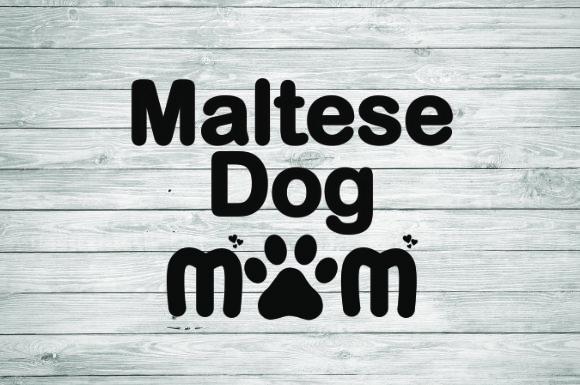
The Maltese Dog Mom design immediately conveys warmth and affection. The layout is balanced, avoiding the common pitfall of overcrowding that plagues many pet-themed illustrations. In the category of Illustrations, this piece stands out because it prioritizes clean lines over excessive detail. For an embroidery machine, this is crucial. Too many tiny details often result in muddy fill stitch areas where threads bunch up, losing definition once stitched onto a textured surface.
Visually, the design feels like it belongs on soft, high-quality materials rather than rigid promotional wear. The personality of the Maltese breed—fluffy, gentle, and expressive—is captured well in the vector format. However, as a reviewer, I am always looking for how the Graphics will behave when converted into a machine embroidery design. The curves are smooth, which suggests they will handle satin stitch borders beautifully without jagged edges, provided the digitizing process respects the original line weight.
A Real-Life Scenario: The Custom Tote Bag Project
To truly test the viability of Maltese Dog Mom, let us imagine a practical scenario. You are an Etsy seller preparing a batch of custom tote bags for the upcoming holiday season. You want to create a personalized gift for dog lovers. You load the svg file into your software, resize it to fit a 5x7 inch hoop, and prepare to stitch onto a sturdy cotton canvas.
In this context, the design shines. The silhouette of the dog and the accompanying text (if included in your specific version) have enough negative space to allow the needle to move freely. On a tote bag, where the fabric can be slightly uneven, the boldness of the Maltese Dog Mom illustration ensures visibility from a distance. Customers browsing your shop will see a finished product that looks professional and cohesive. The design does not feel "cheap" or like a generic clip-art application; it feels curated.
However, the transition from digital file to physical object requires attention. If you were to attempt this same design on a thin, stretchy sweatshirt, the outcome might differ significantly. The density of the stitches required to render the fluffy texture of the Maltese coat could cause puckering on lighter fabrics. This is where the choice of stabilizer becomes non-negotiable. A tear-away stabilizer might not suffice; a cut-away option would likely be necessary to support the weight of the thread and maintain the integrity of the design over time.
Navigating Fabric Challenges and Stitch Density
One of the most critical aspects of reviewing any machine embroidery design is understanding its limitations regarding fabric texture. The Maltese Dog Mom graphic works exceptionally well on medium-to-heavyweight fabrics like denim, canvas, or fleece. These materials provide a stable base for the needle, ensuring that the running stitch outlines remain crisp.
Conversely, using this design on dark fabrics requires careful consideration of thread colors. While the vector file allows you to change colors easily in your editing software, the actual stitching process demands a backing layer or a dense fill to prevent the dark fabric from showing through light-colored threads. If you plan to use this for a black hoodie, you may need to add a white underlay in your digitizing settings to make the design pop. Without this step, the visual appeal diminishes, and the product value drops.
Furthermore, consider the scale. If you are creating small items like embroidered patches or caps, you must evaluate whether the details of the Maltese face will survive the reduction in size. Tiny features can get lost in the stitching, turning a detailed portrait into a blob of thread. Always test the design on scrap fabric first. Check the stitch density at your intended size. If the eyes or nose become indistinguishable, it is better to simplify the design or choose a larger hoop size to preserve the character of the illustration.
Commercial Viability and Brand Consistency
For small business owners and creative entrepreneurs, consistency is key to building a brand. The Maltese Dog Mom design offers a versatile aesthetic that can anchor a collection of handmade products. Whether you are selling nursery decor, kitchen towels, or boutique apparel, the theme resonates with a specific demographic that values sentimentality and quality.
When listing these items on platforms like Etsy, the presentation of the finished product matters immensely. High-quality mockups are essential. Since the package includes png files, you can create realistic printable mockups to showcase how the embroidery looks on different garments before you even stitch the first one. This helps manage customer expectations and builds trust. Buyers want to see exactly what they are getting, and clear visuals of the custom apparel can significantly boost conversion rates.
However, as a professional, I must remind you to verify the licensing terms before selling finished items. While the zip file provides the necessary formats for personal and potentially commercial use, you must confirm that you are permitted to sell products featuring the Maltese Dog Mom graphic. Some licenses restrict the number of items you can sell or prohibit the resale of the digital file itself. Always read the terms to protect your craft business from legal issues.
Practical Notes for the Embroidery Designer
If you decide to incorporate Maltese Dog Mom into your workflow, keep these practical notes in mind to ensure a successful project:
- Test on Scrap Fabric: Never skip the test run. Stitch the design on a scrap piece of the exact fabric you plan to use to check for puckering and alignment.
- Check Thread Contrast: Ensure the thread colors you select offer enough contrast against the background fabric to maintain clarity.
- Review Hoop Size: Confirm that your hoop can accommodate the full design without distorting the image. If the design is too large, you may need to split it or resize it carefully.
- Inspect Small Details: Zoom in on the digital file to ensure that fine lines are thick enough to be stitched cleanly without breaking needles.
- Use Proper Stabilizer: Match the stabilizer type to the fabric weight. Heavy designs on light fabrics require heavy-duty support.
- Verify Licensing: Double-check the usage rights for commercial embroidery projects to ensure compliance.
Ultimately, the Maltese Dog Mom design is a strong asset for designers who understand the nuances of translation from screen to stitch. It captures the essence of the beloved breed while offering a structure that, when handled correctly, results in a durable and beautiful handmade product. By respecting the technical requirements of embroidery and focusing on quality execution, you can turn this digital graphic into a cherished item for your customers.